Kenya's most famous draw, the Maasai Mara migration, only tells part of the story. Depending on your priorities, different months make sense.
The Short Answer
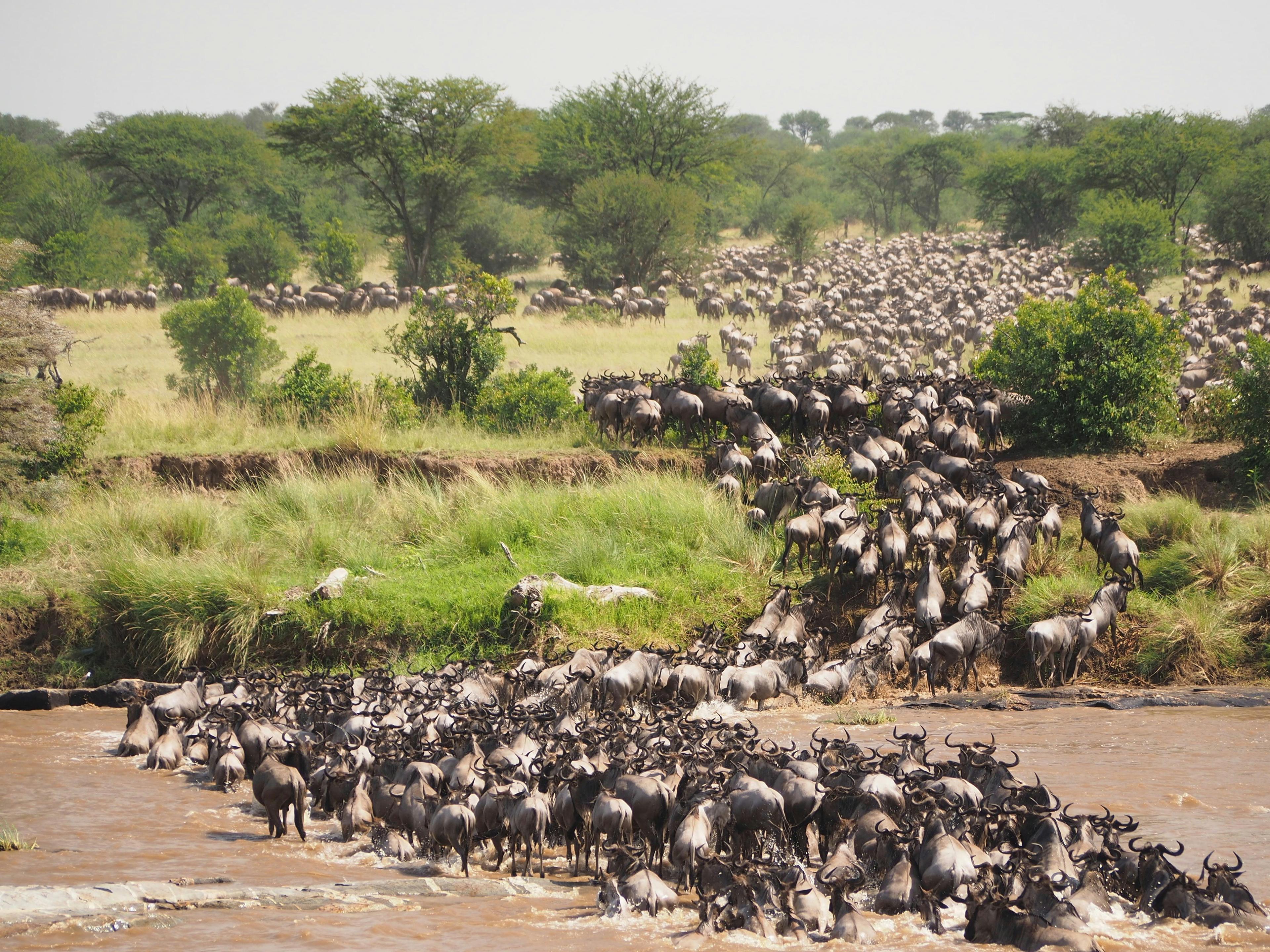
July through October is peak season, when the migration herds arrive in the Maasai Mara from Tanzania's Serengeti, with the dramatic river crossings typically concentrated in August and September. January and February offer a quieter, often overlooked alternative, strong wildlife viewing with far fewer vehicles.
Month-by-Month Breakdown
| Months | What's Happening |
|---|---|
| Jan–Feb | A resident herd in the Loita Hills area moves into nearby conservancies, calving season brings dense predator activity and far fewer visitors than peak season |
| Mar–May | Long rains, the quietest and cheapest months, some roads become difficult in remote areas |
| Jun | Dry season begins, early migration herds start approaching from the south |
| Jul–Aug | The migration's grand arrival, first Mara River crossings begin, crowds build quickly |
| Sep | Widely considered the best month for crossings, herds spread across the reserve, peak predator-prey drama |
| Oct | Crossings continue but taper off as herds sense fresh grazing and begin moving south again |
| Nov–Dec | Short rains, herds head back toward the Serengeti, a quieter month with the December holiday uptick |
Planning Around the Coast
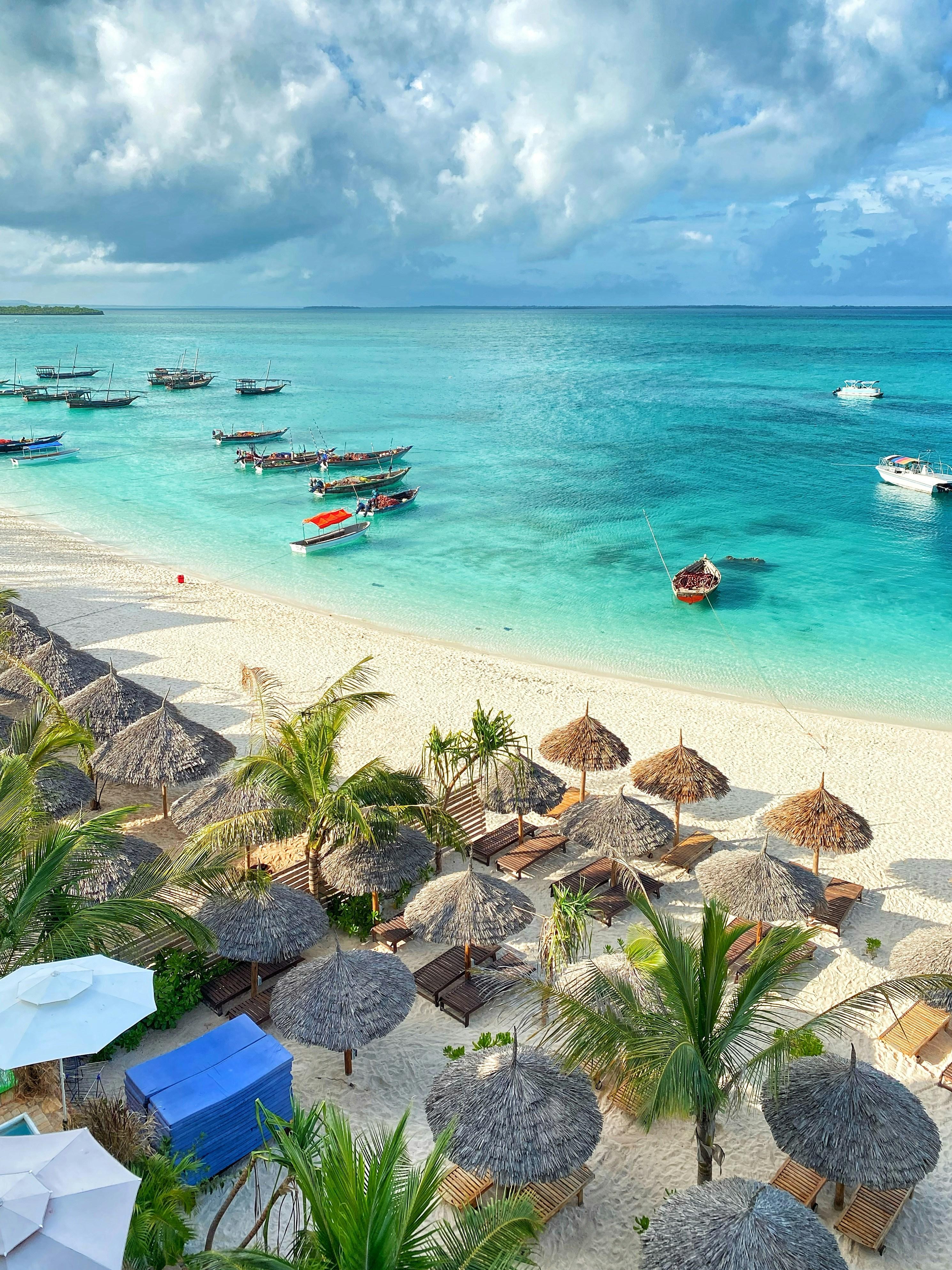
If you're combining a safari with beach time on the Kenyan coast, June through October offers the driest, sunniest conditions at Diani or Watamu, conveniently overlapping with the safari high season. The coast's short rains fall roughly November, with long rains April-May.
A Practical Note on Park Fees
Maasai Mara entrance fees on the Narok County side are valid for a fixed 12-hour window rather than a full calendar day, worth factoring into planning if you want an early morning and a late afternoon game drive on the same visit.
Planning a Kenya and Tanzania combination?
Tell us your travel dates and we'll help time both sides of your East Africa trip correctly.