
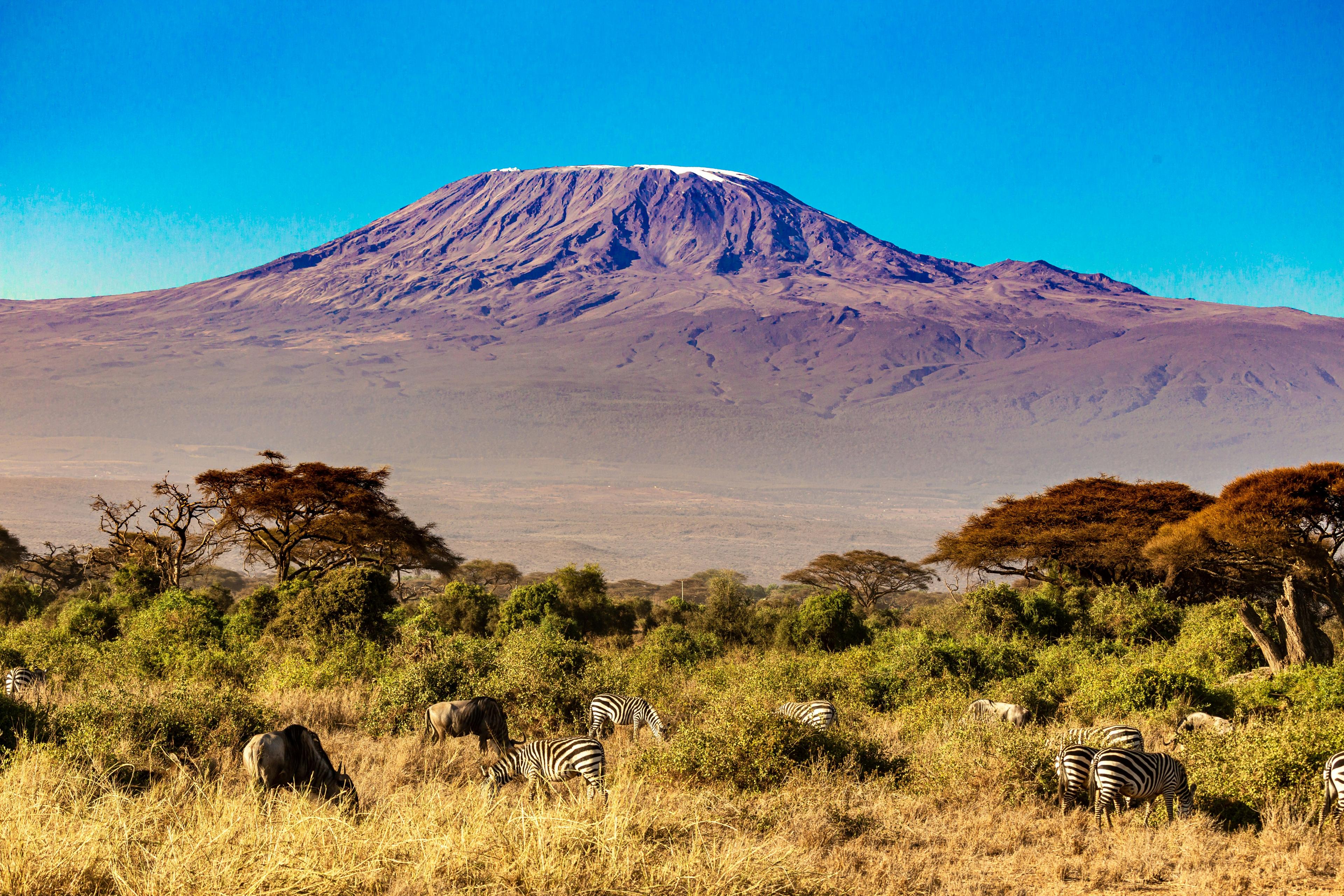
Climb Mount Kilimanjaro with local experts
Choose the right route, from Machame to Lemosho and Marangu, and climb with trusted local guides. Every climb is tailor-made.
Kilimanjaro Routes: Pros And Cons
There are seven different Kilimanjaro climbing routes to choose from, each with various pros and cons to suit the capabilities of the hiker. They all differ in length, difficulty, scenery, traffic, accommodation and a myriad of varying factors.
The Adelaid Tour team are experts at defining the best route for your journey... The most popular routes with our clients are the Machame Route, Marangu Route or Lemosho route.
Machame Route
Also known as the “Whiskey Route”, Kilimanjaro’s Machame Route is one the most popular climbing routes in Tanzania. Better yet, this route has a fantastically high success rate.
Climbing Kilimanjaro through Machame route
During this route, you will walk through the green rainforest to the amazing Shira Plateau...
ProThe Machame Route is less expensive than most of the others.
ConThis route can be quite busy, especially during the peak season.
Marangu Route
This route, nicknamed the “Coca-Cola” route, has a reputation for being one of the easiest paths on the mountain.
Marangu route climb
Some climbers prefer this route because of the hut accommodation, in contrast to camping in tents...
ProOne of the cheapest and quickest Mount Kilimanjaro routes.
ConYou do the same trail for your descent as you did for your ascent.
Lemosho Route
The Lemosho Route is a beautiful and unique route, known for its breathtaking views. In contrary to other Mount Kilimanjaro climbing routes, it starts on the western side of Kilimanjaro. Because of this, the Leomosho Route is less crowded with climbers and offers a much more secluded hiking experience.
Marangu route climb
Better yet, the Lemosho trail is completely unspoiled, making for a breathtakingly beautiful adventure up to the famous Shira Plateau. After a few days, the Lemosho Route joins the Machame Route at Lava Tower. You can do this route in 7 or 8 days, and it does require a decent level of fitness! .
ProThe price is definitely worth it! The Lemosho route gives climbers plenty of time to acclimatize properly, the views are spectacular and the success rates to reach the summit are high. This is one of the most beautiful and complete routes to climb Kilimanjaro. --> > .
ConLemosho is undoubtedly a more expensive route – it’s a long trail and requires extra transport to the other side of the mountain. .
Best Time To Climb Kilimanjaro
Climbing Mount Kilimanjaro is a year-round experience. At Adelaid Tour, we provide expert advice on the best time for you to plan your Kilimanjaro trip based on your individual requirements.
The two main climbing seasons are the dry months from December to March and from June to October. The warmest months are from December to March. During these months the skies are clearer and there is less chance of snow on the trail. February is the best month since the temperature is high and the chances of rainfall are low. From June to October, the temperatures on the mountain are noticeably colder and the trails are busier.
During the rainy season, it can be wet, slippery and the visibility may be limited. Most climbers avoid these seasons, although some experienced climbers and adventurous travellers prefer to climb at this time. There are certainly some pros: a lack of crowds being a big draw!
How To Prepare For Climbing Kilimanjaro
Even though there is a route for every level on Mount Kilimanjaro, it’s important to be able to cope with around 6-7 hours of walking every single day. This can be grueling, so preparation is always a fantastic idea. During an average climbing day, you will walk 6-7 hours per day. In the months leading up to your trip, head out on long hikes every few weeks, gradually building up your stamina to endure a full weekend hike.
Other exercises that can help with preparing for your trek include yoga and breathing classes. Stretching out your body and mind makes your muscles stronger and less likely to let you down when you need them most!
Get a few tips on how to prepare for climbing Kilimanjaro in this article.
Climbing Kilimanjaro Costs
The costs for climbing Kilimanjaro depend on the route you choose. We work with our clients to create custom Kilimanjaro itineraries for a wide range of budgets – from shoestring to bespoke luxury. Aside from your operator costs, other expenses to consider include:
- Buying the right equipment: think walking poles, hiking boots, waterproof daypack, breathable clothing etc.
- Travel insurance for climbing Kilimanjaro.
- Tipping guides and porters: the porters and guides work very hard – often for little money. Tipping on Kilimanjaro is standard and helps support the local community.
Choose your route and book on WhatsApp
Tap a route, add your WhatsApp number, and we send you the full itinerary and price. No payment now.
Marangu
5–6 days · Moderate
Only route with hut accommodation; fastest but lowest success rate due to limited acclimatization
Price on WhatsApp
Book this routeMachame
6–7 days · Moderate–Hard
Most popular route; scenic “climb high, sleep low” profile aids acclimatization
Price on WhatsApp
Book this routeLemosho
Recommended7–8 days · Moderate
Remote trailhead, less crowded, among the highest success rates
Price on WhatsApp
Book this routeRongai
6–7 days · Moderate
Approaches from the quieter northern side, drier climate
Price on WhatsApp
Book this routeShira
7–8 days · Moderate
Similar to Lemosho but starts at higher altitude, less time to adjust early on
Price on WhatsApp
Book this routeUmbwe
6–7 days · Hard
Steepest, most direct route; recommended for experienced trekkers only
Price on WhatsApp
Book this routeNorthern Circuit
8–9 days · Moderate
Longest route, circles the mountain, best acclimatization and least crowded
Price on WhatsApp
Book this route
Plan your Kilimanjaro climb
Tell us your dates, fitness level and budget. We match you with a licensed local guide and the right route.