In This Guide
- Kilimanjaro Overview
- The 7 Routes Compared
- Summit Success Rates Explained
- What It Actually Costs
- Training & Preparation
- What to Pack
- Best Time to Climb
- Choosing an Operator
Kilimanjaro Overview
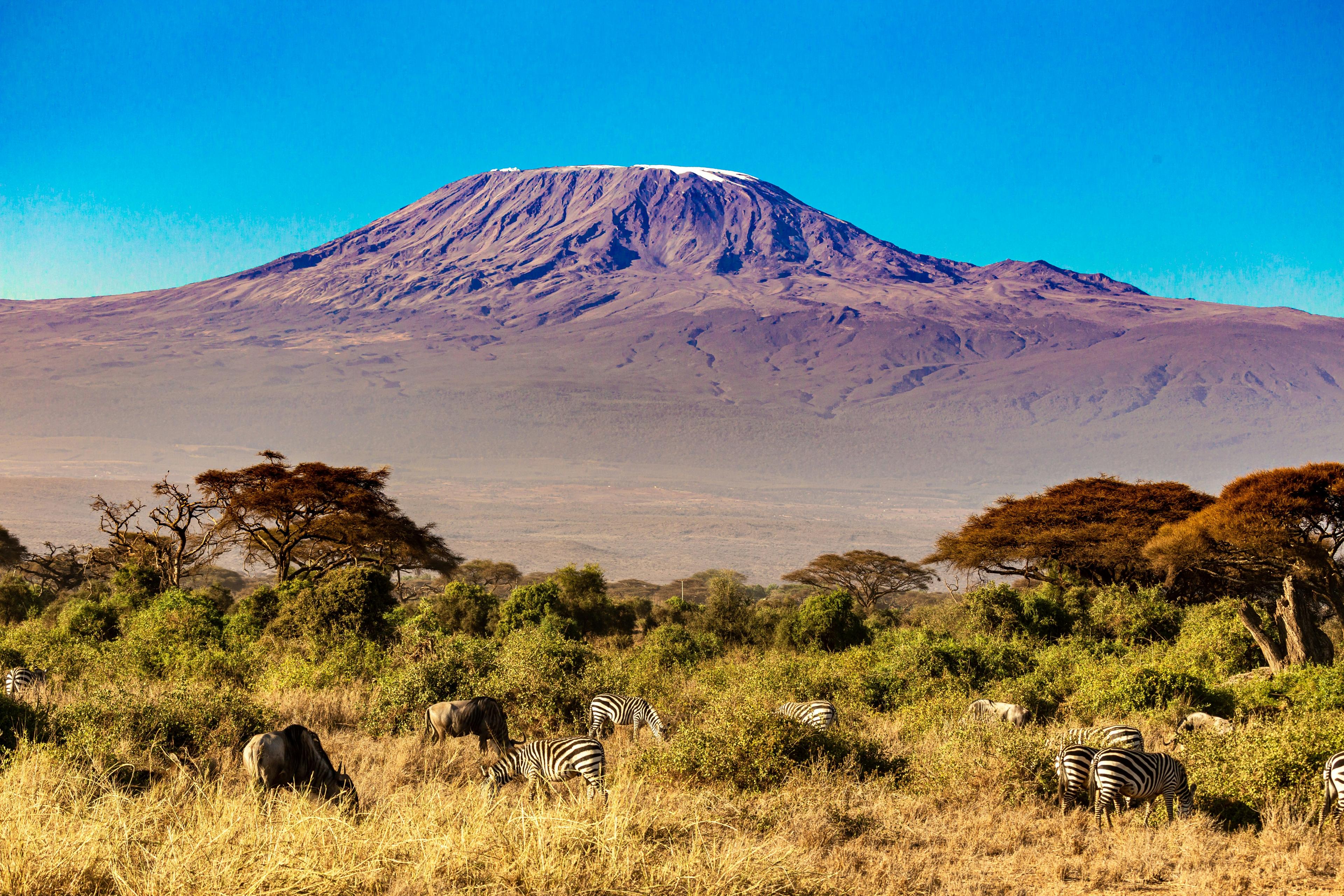
Mount Kilimanjaro rises to 5,895 meters (19,341 feet), making it Africa's highest peak and the tallest free-standing mountain in the world. Despite its height, it's a non-technical trek, no ropes, no climbing gear, no mountaineering experience required. What it does demand is proper acclimatization, decent fitness, and patience with a slow pace. Roughly 50,000 people attempt the climb every year, across seven official routes maintained by Tanzania National Parks.
The mountain has five distinct climate zones on the way up, from tropical rainforest at the base, through moorland and alpine desert, to arctic conditions at the summit. You'll experience all of them within about a week.
- Summit elevation
- 5,895m
- Official routes
- 7
- Days typical climb
- 5–9
The 7 Routes Compared
Route choice is the single biggest factor in whether you reach the summit, more than fitness, more than gear. Longer routes give your body more time to acclimatize to the altitude, which is why they succeed more often.
| Route | Typical Days | Difficulty | Notes |
|---|---|---|---|
| Marangu | 5–6 | Moderate | Only route with hut accommodation; fastest but lowest success rate due to limited acclimatization |
| Machame | 6–7 | Moderate–Hard | Most popular route; scenic "climb high, sleep low" profile aids acclimatization |
| Lemosho | 7–8 | Moderate | Remote trailhead, less crowded, among the highest success rates |
| Rongai | 6–7 | Moderate | Approaches from the quieter northern side, drier climate |
| Shira | 7–8 | Moderate | Similar to Lemosho but starts at higher altitude, less time to adjust early on |
| Umbwe | 6–7 | Hard | Steepest, most direct route; recommended for experienced trekkers only |
| Northern Circuit | 8–9 | Moderate | Longest route, circles the mountain, best acclimatization and least crowded |
Days and difficulty vary slightly by operator itinerary.
Summit Success Rates Explained
You'll see wildly different success rate numbers quoted online, anywhere from 45% to 95%. That's because success rate depends far more on route duration and operator quality than on personal fitness. Shorter 5-6 day climbs commonly see success rates as low as 50-65%, while well-paced 7-9 day climbs with experienced operators regularly reach 85-95%.
Altitude sickness, not physical exhaustion, is the main reason climbers turn back. Giving your body more days to adjust is the single most effective thing you can do to improve your chances.
What It Actually Costs
Total Kilimanjaro costs typically range from around $1,800 on the low end to $6,000+ on the premium end, per person. The gap comes down to route length, group size, and how much of your crew's wages and equipment quality the operator is actually investing in.
What's included in the package price
- Tanzania National Parks (KINAPA) fees, mandatory and non-negotiable, typically $800-1,200 per person for a standard route
- Guide, porter, and cook wages
- Camping equipment and meals on the mountain
- Ground transfers to and from the mountain gate
What's usually extra
- International flights
- Tanzania visa (around $50-100)
- Tips for your mountain crew (a commonly recommended guideline is $200-350 per trekker)
- Gear rental and travel insurance
Training & Preparation
Kilimanjaro doesn't require elite fitness, but general cardiovascular conditioning meaningfully improves your experience and lowers your risk of altitude-related problems. Most guides recommend starting a training routine 3-6 months out.
- Build up hiking endurance with regular long walks, ideally on hilly terrain with a loaded daypack
- Add cardiovascular training (running, cycling, or stair climbing) 3-4 times a week
- Practice consecutive back-to-back long hikes to simulate multi-day exertion
- If possible, do at least one high-altitude hike beforehand to see how your body responds
What to Pack
- Layered clothing system, base layers, insulating mid-layers, and a waterproof/windproof outer shell
- A warm sleeping bag rated well below freezing for summit-night temperatures
- Sturdy, well broken-in hiking boots
- Headlamp with spare batteries (summit day starts around midnight)
- Trekking poles, especially helpful on steep descents
- Sun protection, at altitude UV exposure is intense even in cold conditions
- Basic personal medication, plus any altitude sickness medication discussed with your doctor beforehand
Best Time to Climb
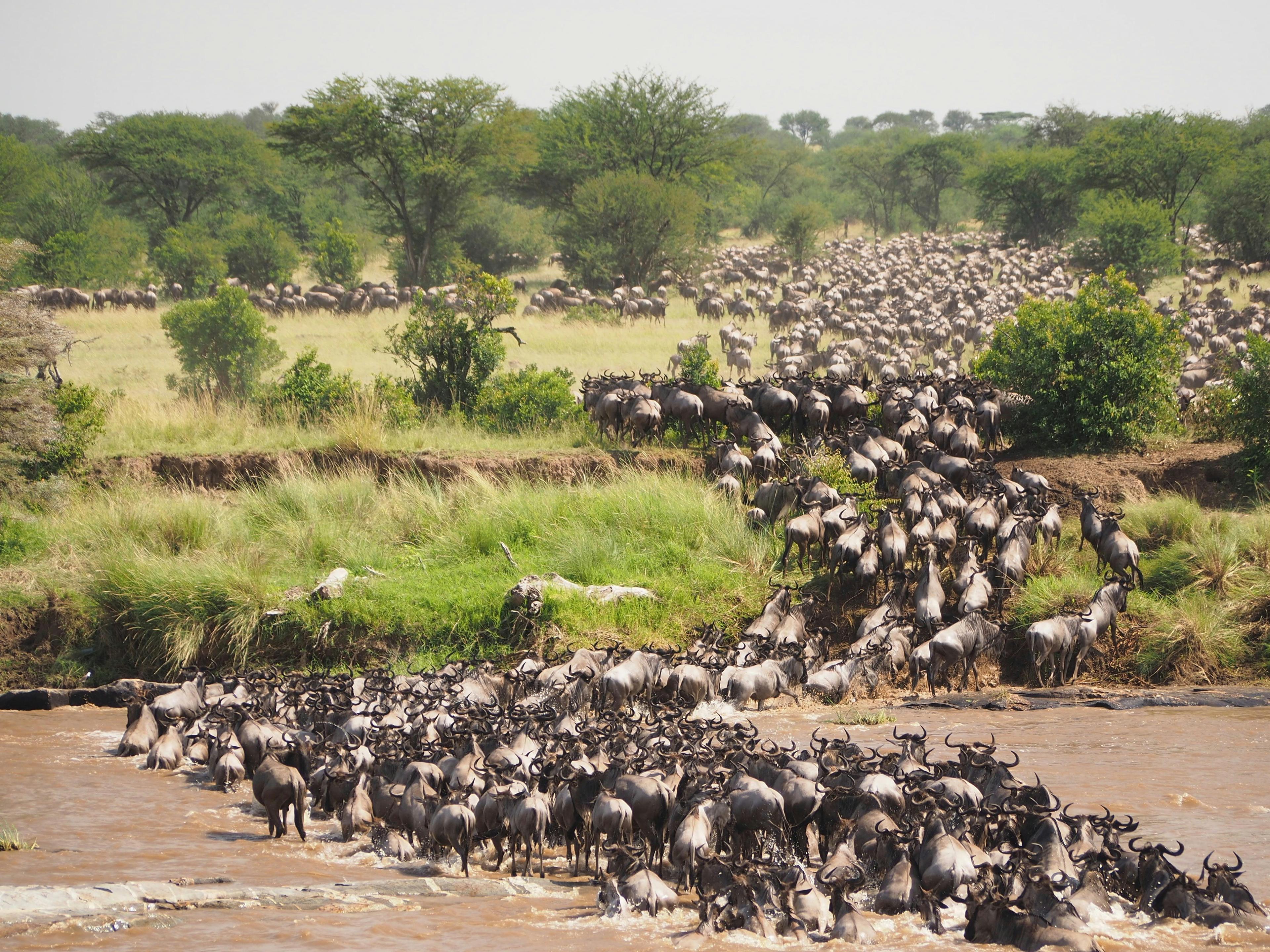
The two main dry windows are January-March and June-October, offering the clearest skies and driest trails. June-October also overlaps with the classic safari season, making it easy to combine a Kilimanjaro climb with a Serengeti safari in one trip. The rainy seasons (April-May and November) bring muddier trails and lower visibility, though also fewer crowds and lower prices for flexible travelers.
Choosing an Operator
Tanzania law requires every climber to be accompanied by a licensed guide, so you can't do Kilimanjaro independently. The quality gap between operators is the real variable behind both your safety and your summit odds.
- Ask directly about porter wages, ethical operators pay fair rates; budget operators are often subsidizing low prices by underpaying their crew
- Confirm the guide's certification and experience with your specific route
- Ask what safety equipment is carried, including oxygen and a pulse oximeter for daily altitude checks
- Get an itemized quote so you can see exactly what's covered versus what's extra
- Favor local operators over international resellers, you typically get better value and more direct accountability
Planning your Kilimanjaro climb?
Tell us your preferred route, dates, and whether you'd like to combine it with a safari or Zanzibar, and we'll match you with a trusted, transparent local guide.