
The Maasai Mara is Kenya's best-known wildlife destination, and for good reason: dense year-round predator populations, and, during the migration season, some of the most dramatic wildlife scenes on the continent. But there's a choice most first-time visitors don't realize they're making before they book.
Main Reserve vs Private Conservancies
The Maasai Mara National Reserve itself is government-managed and open to any licensed operator, meaning popular sightings can draw a genuine crowd of vehicles, especially during a river crossing in peak season. Surrounding the reserve are private conservancies (Naboisho, Olare Motorogi, Mara North, and others), leased directly from Maasai landowners, where visitor numbers and vehicle access are far more tightly controlled.
- Main reserve: access to the river crossing points directly, but can mean dozens of vehicles at a single sighting during peak months
- Conservancies: a noticeably quieter experience, night game drives and walking safaris (not permitted in the main reserve), at generally higher nightly rates
Understanding the River Crossings
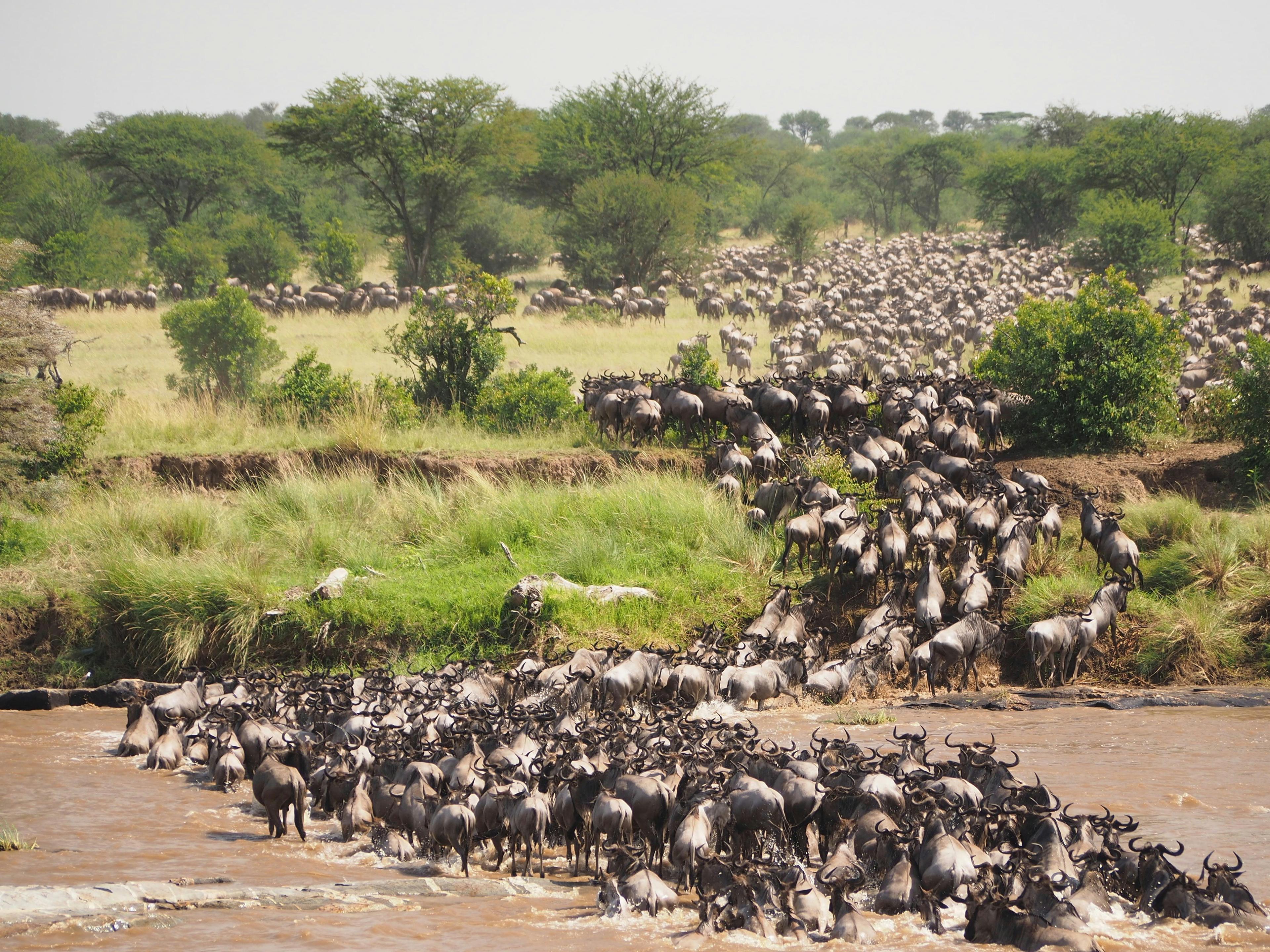
The Mara River crossings are the single most sought-after sighting in Kenya, wildebeest gathering in mass on the riverbank before plunging through crocodile-infested water. Crossings aren't scheduled, they happen when herds decide the moment is right, so patience (and often a full day near a known crossing point) is part of the experience. Radio communication between guides means a crossing in progress draws vehicles quickly from across the reserve.
Practical Tips
- Park fees on the Narok County side are valid for a fixed 12-hour window (6am-6pm), not a full calendar day, factor this in if you want both an early morning and late afternoon drive
- Bring a buff or light scarf, dust from other vehicles during a crowded crossing sighting can be significant
- Book conservancy camps well ahead for peak season (August-September), the best camps near crossing points fill up 12-18 months in advance
- Balloon safaris over the Mara at sunrise are a popular, if pricier, way to see the plains from above
Getting There
Most visitors fly into one of the Mara's small airstrips from Nairobi (roughly 45 minutes), or drive (around 5-6 hours depending on the route and road conditions). Flying saves considerable time and is the more common choice for shorter trips.
Combining the Mara with Tanzania?
The Mara and the Serengeti are part of the same ecosystem. We can help you plan the Tanzania side of a combined East Africa trip.